Feedback Strategy
How to Build a Closed-Loop Feedback Programme
A guest ate at a 40-cover restaurant on a Thursday evening. The kitchen was struggling with a new menu change, and the mains took 45 minutes. She filled in the post-visit survey that arrived Friday morning, gave a 4/10, and wrote “waited far too long for the food, nearly left before the mains arrived.”
The survey landed in a report the GM was supposed to check on Mondays. He was on annual leave that week. His deputy saw the email but was not sure what to do with it. By the time the GM returned, the response was a week old and 20 more had piled in. Nothing happened.
The guest never came back. She did not write a Google review. She just quietly stopped. The restaurant had no mechanism to know she had gone, no way to connect her absence to that Thursday evening, and no record that a recoverable relationship had been left to drift.
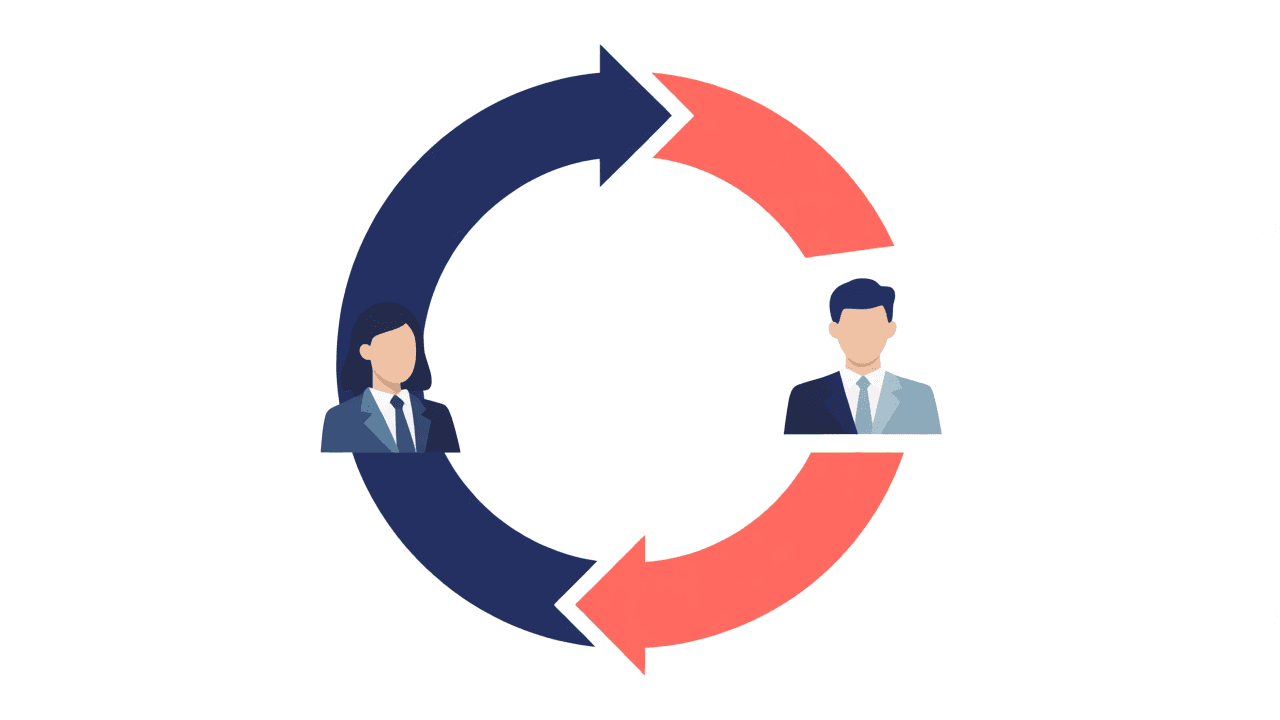
That is what an open loop looks like. Not a dramatic failure. Just a feedback programme that generated a data point and nothing else.
The difference between collecting and closing
Most hospitality operators have a feedback collection exercise. Some have a feedback routing exercise. Very few have a closed-loop feedback programme, because closing the loop is the step nobody builds a systematic process around.
A programme that captures feedback and stores it has created a data record. A programme that captures feedback and routes urgent issues to the right manager has created an alert system. A programme that captures feedback, routes it, follows up with the guest, resolves the issue, and confirms the resolution has closed the loop. Only the last version changes guest behaviour, improves recovery rates, and produces the kind of operational learning that compounds over time.
The gap between “we have a feedback survey” and “we have a closed-loop feedback programme” is where most operators quietly live.
The three steps that all have to work
The more precise definition of closed loop feedback requires three distinct steps to function: capture, route, and close.
Capture is collecting structured feedback in a way that is specific enough to act on. This means surveys that probe complaints for detail rather than recording a sentiment score and moving on. It means adaptive questioning that follows what the guest actually said. It means data quality checks that catch responses where the score and the comment do not match before they enter the dataset.
Route is getting the right signal to the right person at the right speed. A guest who reported a food safety concern needs a same-day response, not a mention in the Friday debrief. A guest who praised a specific member of staff by name should have that recognised before the team’s shift ends. A guest who gave a 5/10 and mentioned a small fixable problem should produce an alert to the GM who can correct it before the next service. Routing is not forwarding all feedback to one inbox. It is triaging by urgency and sending each signal to the person with both the authority and the motivation to act.
Close is confirming that the issue was addressed and, where appropriate, following up with the guest directly. This is the step most programmes are missing. Without it, the loop is genuinely open: issues were raised, perhaps acted on, but the guest was never told, the resolution was never confirmed, and the operational learning never fed back into the system.
Why most operators stop at capture
Building the capture element is largely a technology and process problem. Choose a platform, configure the questions, integrate with the booking system, and you have a data stream. This is achievable, and most operators who invest in feedback get here.
Routing is harder because it requires both technology and organisational process working together. The platform must triage and deliver signals to specific people rather than everything going to one inbox. And GMs must understand that alerts require action within a defined window, not optional reading. Where programmes stall is when the technology is configured but the process ownership is unclear, or the process is clear but the platform delivers everything to a shared inbox that nobody owns.
Closing the loop is hardest because it requires two culturally difficult things. The first is customer outreach after a complaint: reaching out to someone who had a bad experience, acknowledging it directly, and offering a resolution. Most operators agree this is the right thing to do. Many avoid it in practice because the conversation is uncertain, potentially uncomfortable, and there is no clear script for who does it or what they offer. The second is internal confirmation: documenting that the operational issue was fixed and feeding that back to whoever flagged it. This workflow discipline is difficult to maintain consistently across a multi-site estate when nobody is explicitly tracking it.
What open loops cost
The commercial cost of an unrecovered detractor is not just the lost visit. It is the conversations they have with people who might have visited. It is the Google review they eventually write, months later, when the private frustration finds a public outlet. It is the steady erosion of confidence in the feedback programme among the operations team, who can see that complaints are being logged but nothing is visibly changing.
Over a year of open loops, you have a cohort of guests who tried to tell you something was wrong, received no response, and concluded that nobody was reading what they sent. That conclusion is often correct.
Conversely, a guest whose complaint was heard, responded to within a day, and resolved tends to become more loyal than one who never had a problem. The mechanism is simple: they know you take complaints seriously and move quickly. That is a material advantage over a competitor who does not. Recovery is not damage limitation. It is a loyalty opportunity that most operators leave on the table.
Building the close: who, how quickly, and what to offer
Closing the loop requires three decisions: who reaches out, how quickly, and what they offer.
The “who” depends on severity. A food safety report, a serious service failure, or anything that suggests genuine harm should involve a manager with authority to make a meaningful gesture: a refund, a direct apology from someone senior, an invitation to return as a guest of the house. A routine complaint about service timing that fell below expectations can be handled by the site GM with a brief, direct message.
The “how quickly” question has one answer: the same day, or the next morning at the latest for feedback that arrives late at night. A guest who submitted a survey on Wednesday and receives a response the following Monday has experienced the same indifference as a guest who received nothing at all. The speed of the response is itself a signal about whether the operation takes feedback seriously.
The “what to offer” question is where operators overthink it. The guest is not always looking for a voucher. “We looked into this and you were right, the kitchen timing on Friday evening has been addressed” is often more compelling than an impersonal discount code. Acknowledge the specific problem, explain what changed, and offer to make the next visit right. Keep it short and direct.
Active Insight handles the routing component automatically. Every response is triaged as it arrives: when a comment signals genuine disappointment or a serious failure, the full response is emailed to whoever you nominate the same day, with a one-sentence summary of what set it off. The follow-up conversation can start while the visit is still fresh, giving the guest a private resolution rather than a reason to post publicly.
For critical issues (food safety, accessibility concerns, serious service failures), the platform’s critical issue detection flags responses immediately for manager attention, routes the full survey response to the right inbox, and ensures nothing serious sits in a queue waiting to be seen.
Making it stick across a multi-site estate
A closed-loop feedback programme that works at one site but not consistently across twenty is not a programme. It is one good GM and nineteen variable ones.
Consistent execution at scale requires GMs to have clear expectations: what to do when an alert arrives, what they are empowered to offer, how quickly they must respond, and how they document the outcome. Without this, some sites will handle every alert promptly and some will treat them as optional, and the programme delivers very different commercial outcomes depending on whose site you are looking at.
Paired with the wider Service Monitor platform’s dashboards and reporting, Active Insight gives regional managers visibility into which sites are generating critical alerts and how their scores are moving in response. That visibility turns the closed-loop process from a per-GM responsibility into something that can be managed and held to account at an estate level.
Head office sees the same picture across the estate: which sites act on alerts fastest, and whether recovery is showing up in subsequent scores. That is what allows senior operations leadership to drive the programme rather than hoping it runs itself.
If you want to understand how Active Insight structures the capture, route, and close process for multi-site operations, the website is the right starting point.
Frequently Asked Questions
What is a closed-loop feedback programme?
A closed-loop feedback programme is one where guest feedback is captured, routed to the right person in time to act, and followed up with the guest to confirm the issue was addressed. The “loop” is the full cycle from feedback through action to resolution. Most hospitality feedback systems complete the capture step but do not follow through consistently on routing and resolution.
How quickly should a hospitality operator respond to a negative guest survey?
The same day where possible, and within 24 hours at the latest for anything other than a critical concern. A guest who reported a food safety issue or serious service failure should receive a response the same day the feedback was submitted. Routine negative feedback should be acknowledged promptly: a response that arrives a week later signals the same indifference as no response at all.
What should a response to a negative survey include?
Acknowledge the specific issue the guest raised, not a generic apology for their feelings. Take responsibility where the fault was clearly with the operation. Explain what has been or will be done differently. Offer a recovery gesture that is proportionate to the failure. A short, direct, genuine response outperforms a long, carefully worded corporate one.
How does a customer feedback follow-up work in practice?
Typically through a direct message or call from the site GM or a regional manager, using the contact details the venue already holds from the booking. The contact should be personal, reference the specific feedback the guest gave, and focus on resolution rather than explanation. If the guest is willing to return, make that genuinely attractive rather than perfunctory.
How do you measure whether your closed-loop programme is working?
Track three things: the percentage of negative or critical responses that received a same-day follow-up, the recovery rate among guests who were contacted, and the subsequent satisfaction scores from recovered guests. If the first number is low, the routing process needs work. If the second is low, the quality of the recovery conversations needs attention. If the third is low, the gestures being offered are not compelling enough.
Is a closed-loop feedback system worth building for smaller operators?
Yes, though the process is simpler at single-site scale. The principles are the same: capture structured feedback, flag urgent issues immediately, follow up with guests who had a poor experience, and confirm that issues were addressed. The technology required scales down considerably: a survey tool with email alerts and a clear process for who follows up is a functioning closed-loop system, even without a sophisticated dashboard.


Hear what your customers are not telling you
Book 15 minutes and we will show you Active Insight running on your topics, or start with a free audit of your public reviews.

Active Insight is built by Service Monitor, the UK customer experience company measuring service for hospitality, leisure, and retail operators every day. Our other services include: